One particularly rushed morning, I wondered how I could weave creativity and freshness into my lesson plan – an English poem titled “How Beautiful Is The Rain” for a 5th Standard class.
I gave my nephew an extra cuddle and borrowed his toy frog, a toy corn of the cob, a toy bus (to discuss puddles and splashes) and even a mocktail umbrella that had found its way into his extensive collection.
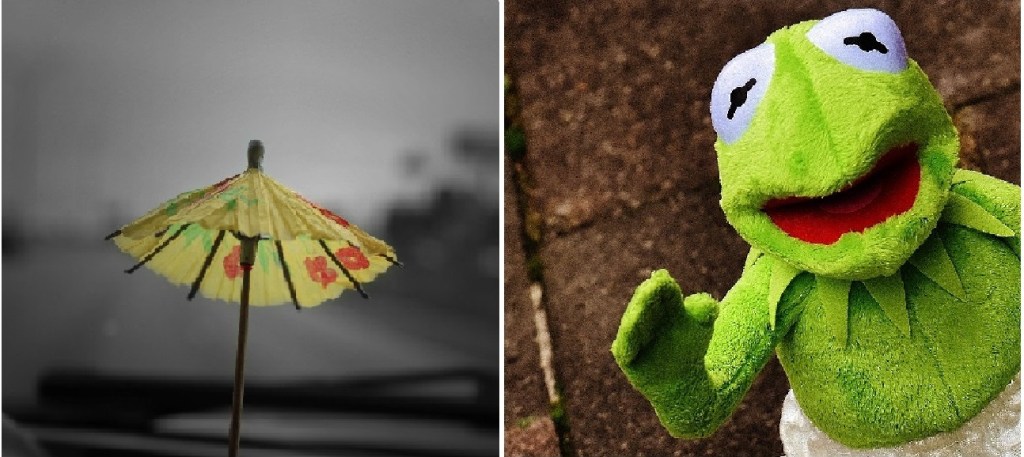
Later, in the classroom, I asked four questions about the different experiences in the rain, with four bright and beautiful clues. You guessed it – the toy frog, corn, car and mocktail umbrella.
Within 5 minutes, the students grasped the essence and mood of the poem. They participated enthusiastically in the poem recitation and discussion of vocabulary and ideas that followed. Teaching learning accomplished!
Creative teaching aids are one of the most effective teaching methods that teachers can use to facilitate the transfer of learning.
Creative teaching aids bring in a pop of excitement and freshness in lesson plans.
They make teaching learning easier and quicker to absorb.
If you fire up the creativity inside you, (yes, of course you have loads of it!) then you don’t need to spend a lot of time, money or effort in making teaching aids.
So, here we go! Some examples and ideas on how to make or source and apply creative teaching aids to improve lesson plans:
1. Discover innovative learning methods in your child’s playroom
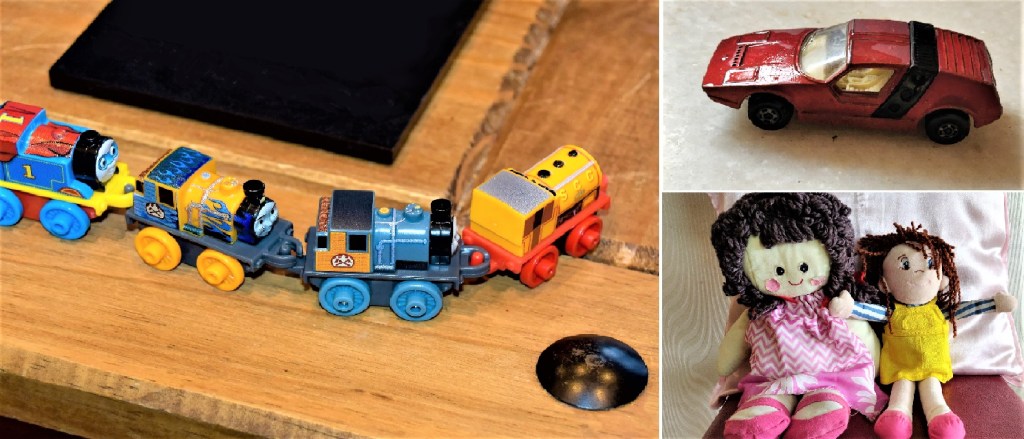
Creativity begins at home. Your child’s playthings are among the richest sources of teaching aids. Most often, you don’t even need to work on them, they are ready to use.
It’s like a bank of teaching aids. To me, once the lesson is planned, this bank is the first and most convenient place to borrow the brightest, most creative teaching aids.
- A child’s toy train with tracks can be used to:
– Introduce a Geography lesson on states and regions of India.
– Explain a Physics lesson on motion and force.
– Discuss a Hindi or English prose lesson or poem about journeys, travel or holidays.
- Dolls and soft toys are a school teacher’s best friends. They can be used to bring alive the story-telling technique.
Here’s an example of a possible story outline:
Two friends (dolls) – Friend 1 sneezes repeatedly – Friend 2 offers her soup in a bowl (a toy serving set) – Friend 1 wonders why she caught a cold – Friend 2 tells her that it may be because of the sudden change in weather. With that, the Geography teacher introduces the lesson on Weather and Climate, or the Science lesson on Temperature may be discussed.
You could also use a big doll as a partner.
Have a witty and humorous conversation with the doll to explain important, but heavy, concepts to students in a Maths lesson, making for more effective teaching learning.
PRO TIP: When using dolls, it’s better to avoid speaking in squeaky high-pitched tones.
- Tennis balls and pull-back cars can be used to introduce and discuss topics of Momentum, Force, Inertia and Velocity in a lesson plan for Science.
2. Big Size makes a big impact on teaching learning
My school library had a series of large-sized books with short stories and beautiful pictures. For a substitution period, I took one such large-sized book along with a hand puppet of a lion. The principal, who was on her rounds on this floor, stopped at my class door captivated by the sight of my 40 little angels staring at large pictures from the giant book and listening intently to the story of a kind-hearted lion who didn’t want to hurt anyone.
You could use a large picture book to great effect for your Biology lessons, language lessons, Physics lessons, in fact, even kindergarten lessons and nursery lessons.
Large props are another effective teaching aid in the classroom.
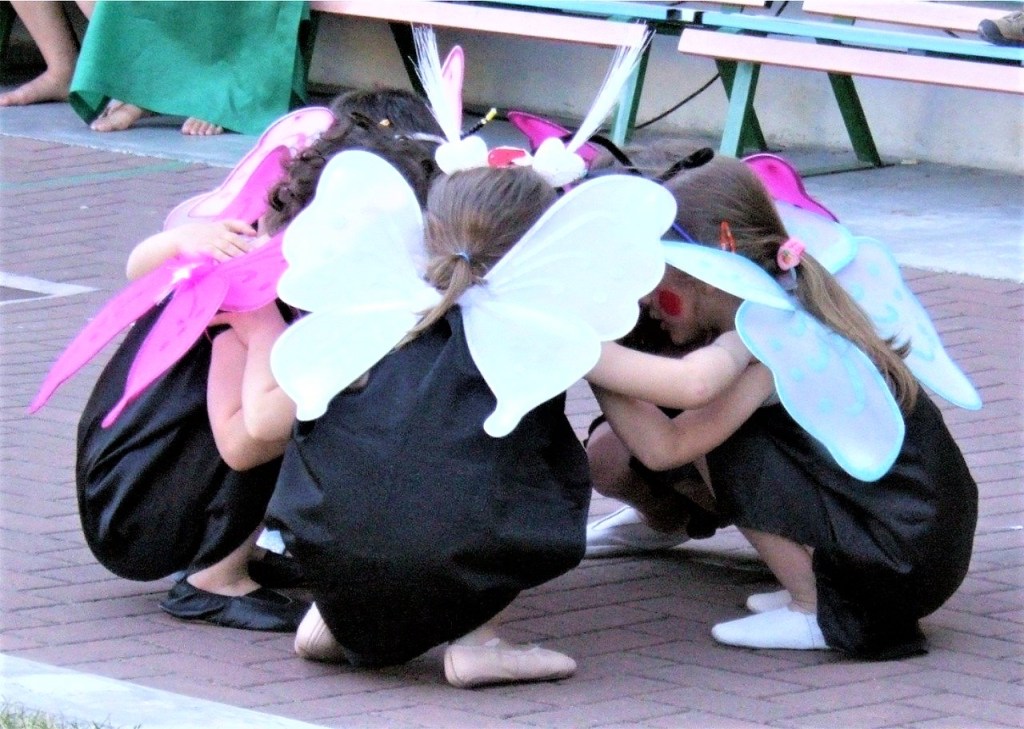
You could make large wearable butterfly wings with cardboard, thick paper or sheer fabric and wire. Pretty butterfly wing props are also available on online shopping sites. I prefer making my own though, they cost much lesser. Also, I feel there’s a special charm and joy in using handmade teaching aids. They are an expression of your creativity and, if made well, can be reused for a long time.
- Use large butterfly wings to:
– Discuss poems about nature in your English lesson plans
– Discuss the topic of insects in your lesson plans for Science
3. Use colours as an effective teaching method
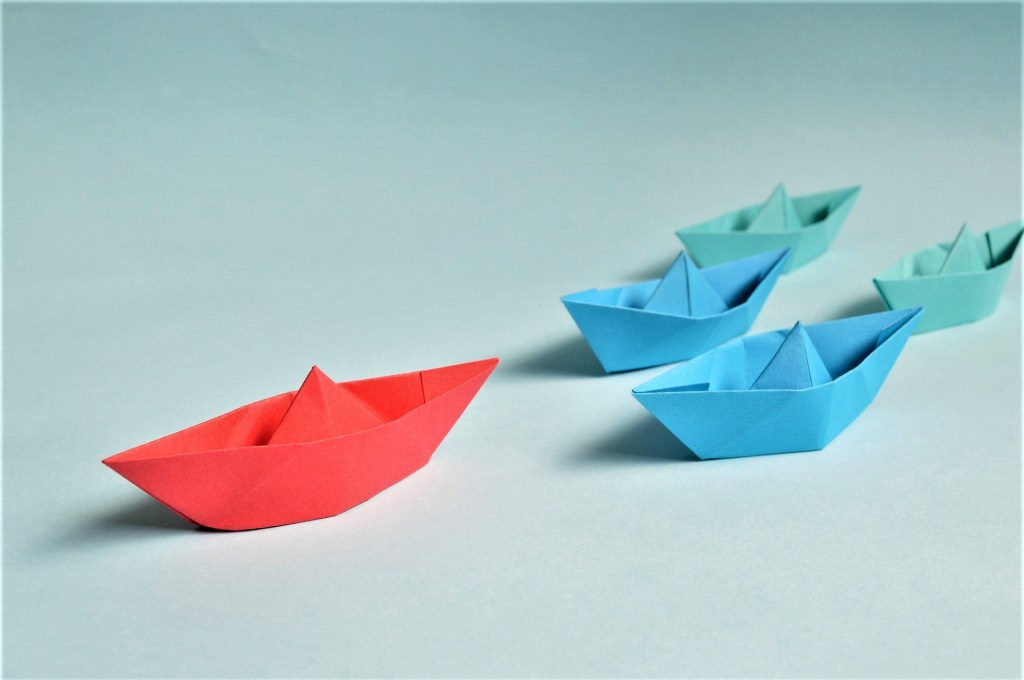
Children love colours. Studies have shown that colours used in classroom teaching and learning have a major impact on children’s mood and how students learn, absorb and retain information. Colours can also stimulate participation.
Different colours evoke different responses in each learner. As a rule of thumb, younger students thrive in brighter colours. For older children, bright colours can cause over-simulation.
All in all, it’s wise to build the use of colours into every lesson plan with innovative teaching ideas.
Some ideas for your lesson plan…
- You could place different coloured flags – one on the first desk of each row of students and announce that each row is now a team. Conduct evaluation through a short team quiz where teams compete for points and positive reinforcement.
- You could carry your roll call sheets and other papers to class in a cheery, colourful folder. (God is in the details).
- Make sure your teaching aids and props are in a mix of colours.
PRO TIP: Use coloured chalks / board markers mindfully – Some colours can be difficult to read from a distance.
4. Discover innovative teaching techniques inside your wardrobe
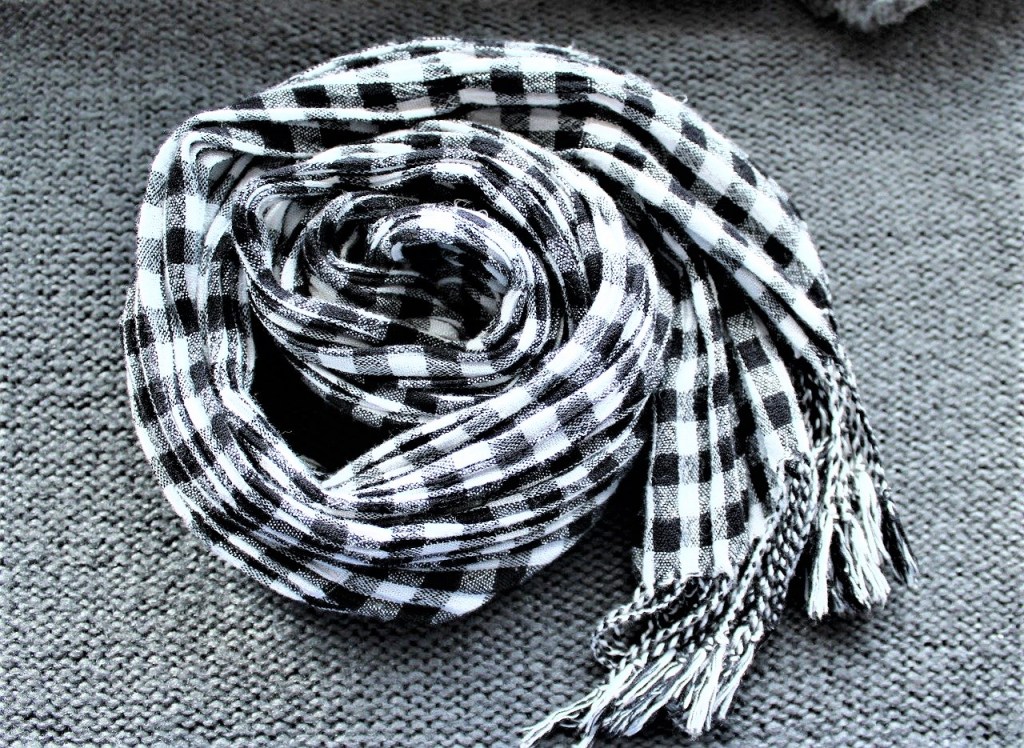
- Drape your creativity:
Are you wearing a stole or dupatta to school today? Drape it quickly in different ways – a Gujarati style saree, a Bengali style saree, as a North Indian Pagadi, a Maharashtrian ‘Pheta’, a Japanese kimono – to discuss Geography lessons about the various States of India, regions of the world, their climate, food habits and culture.
You could drape it on yourself or to a student in front of the class, to encourage participation. There are several videos online showing how one can learn to drape the various costumes of different places - Handkerchiefs: You could use four different coloured handkerchiefs to make flags as mentioned in Idea 3 above.
- Napkins: Teach your students napkin folding in a crafts period or a substitution period. There are several videos online, displaying creative napkin folding techniques and ideas.
5. MYOM – Make Your Own Materials for your lesson plan
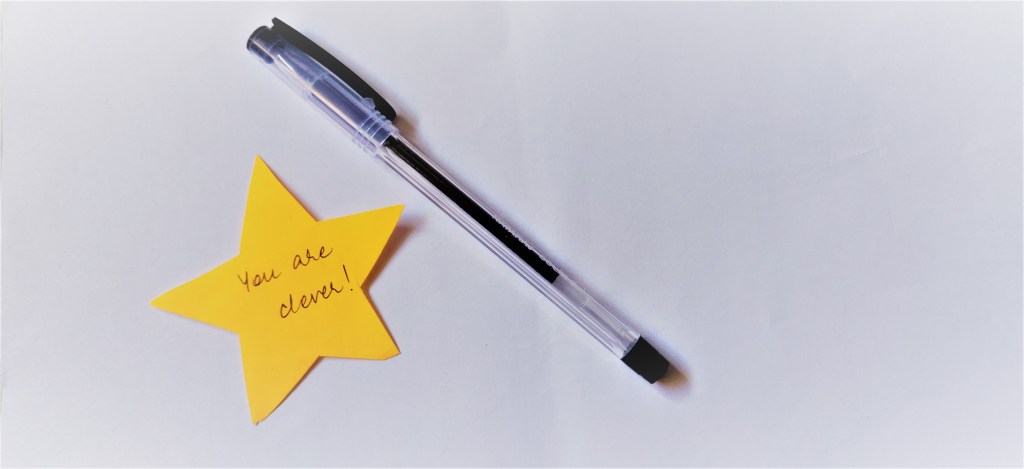
Sometimes the most innovative learning methods can come to life only with teaching aids that are created especially for them.
Making your own teaching aids does not have to be time-consuming or cumbersome. It can be inexpensive, effortless and also very effective.
One of my favourites is this simple but effective tool of positive reinforcement for younger children.
Cut out bright orange-coloured paper into cookie-sized star shapes. On each star, write ‘You are clever’. When students answer your questions correctly in class, reward each of them with a star along with oral praise. Positive reinforcement from a teacher in such physical, tangible form, can be extremely impactful. Students cherish it, they show the star to their parents, they preserve it in their note books carefully, sometimes for years! Other students work harder to achieve it.
6. Best out of Waste for better teaching and learning
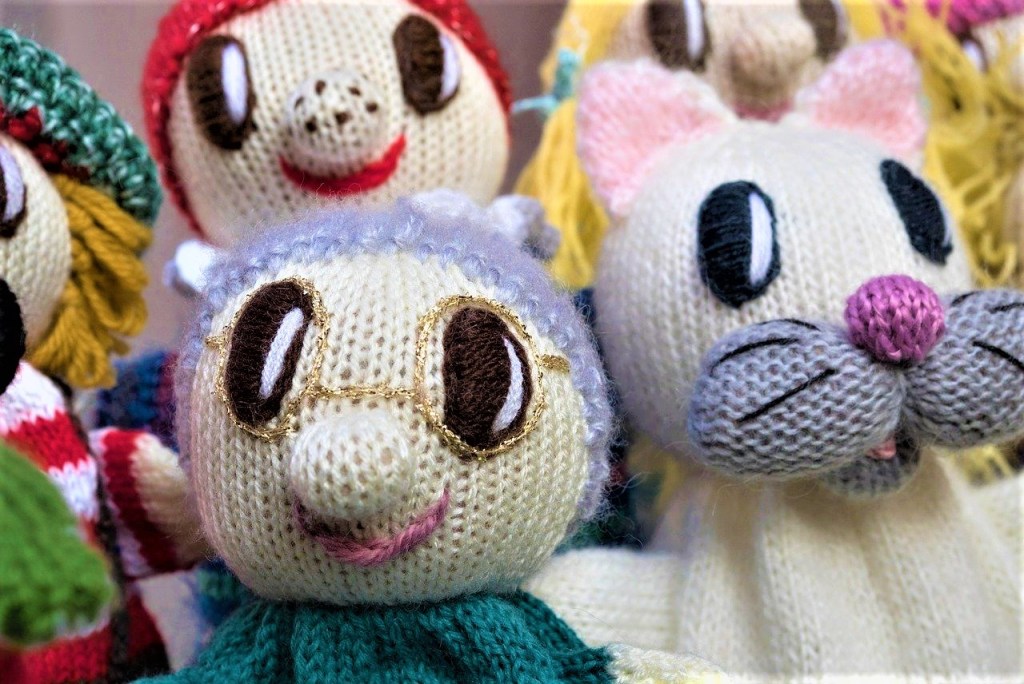
Most of us have learned this in B.Ed. college but have forgotten it somewhere along the way.
A few ideas…
- You could make hand puppets out of used socks.
- You could reuse an empty box of wafers, the long cylindrical one, add a large paper ball to make a head and dress it a character like a clown or doll.
- Reuse a plastic water bottle to make a birdfeeder. Use it for the introduction in your Science lesson plan on birds. Begin by discussing how the sparrow and several other species are on the brink of extinction.
7. Use classroom property as an innovative learning method
You hear the bell ring, it’s time to go into the class but you just haven’t managed to prepare and perfect your lesson plan. It happens, it’s real. So, what do you do? Look around with a fresh pair of eyes at the classroom and see every classroom object as a potential teaching aid for your lesson. You could do this for any subject.
A few examples below:
- Blackboard Art:
You could draw mountains and a river on it and invite two students to stand in front of the board while you recite an English poem on nature or travel.
- Use the blackboard as a background:
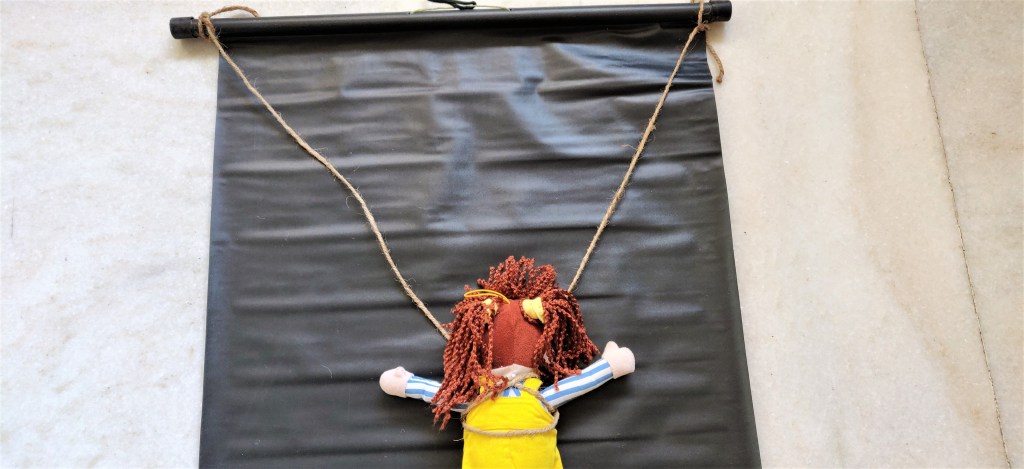
Use the blackboard to represent another object, such as a mountain. For an English lesson, I threw a rope over the top corners of the blackboard and tied the loose end like a harness around a doll.
With the doll dangling at the centre of the board, I discussed the story of Bachendri Pal, the first Indian woman who defied the odds to scale Mount Everest.
(Refer to the picture above if you prefer to create this on a rollerboard beforehand.) - Student’s Pencil Boxes:
Place 6-8 pencil boxes of students one on top of the other to discuss the concepts of Balance and Gravity in your Physics lessons. - Water bottles:
Display the half-filled water bottle of a student to demonstrate and discuss the concepts of solid, liquid and gaseous states of matter in lesson plans for Science.
8. Learners as teaching aids: An innovative learning method

Involving students in the lesson physically can be a great way to increase participation and maximise retention of information.
- Ask only a few, specific students to stand up at their desk at specific points in the classroom, to represent and demonstrate the relative distances between planets, or locations on the map to the class, in your Geography lesson.
- For younger classes, 4-5 students can be asked to stand one behind the other as if forming a train, to discuss an English or Hindi poem about travelling or holidays.
Conclusion
Your creativity can make your teaching aids and your lesson plans stand apart through innovative teaching learning.
Teaching aids can be inexpensive, easy to make and are often ready to use, if we just see the objects around us through a fresh pair of eyes.
This holds true for English lesson plans, lesson plans for Science, Maths, Geography and all subjects.
I hope these teaching ideas help make your teaching and learning more effective and your lesson plans more creative.
More power to creativity! Keep reading. Keep refreshing. 😊
Please take the quick poll below.
Your comments and feedback help make my articles better and more useful. Thank you 🙂
 Towards better teaching learning